

The Channel Swimmer
Cap Gris-Nez, France — August 6, 1926

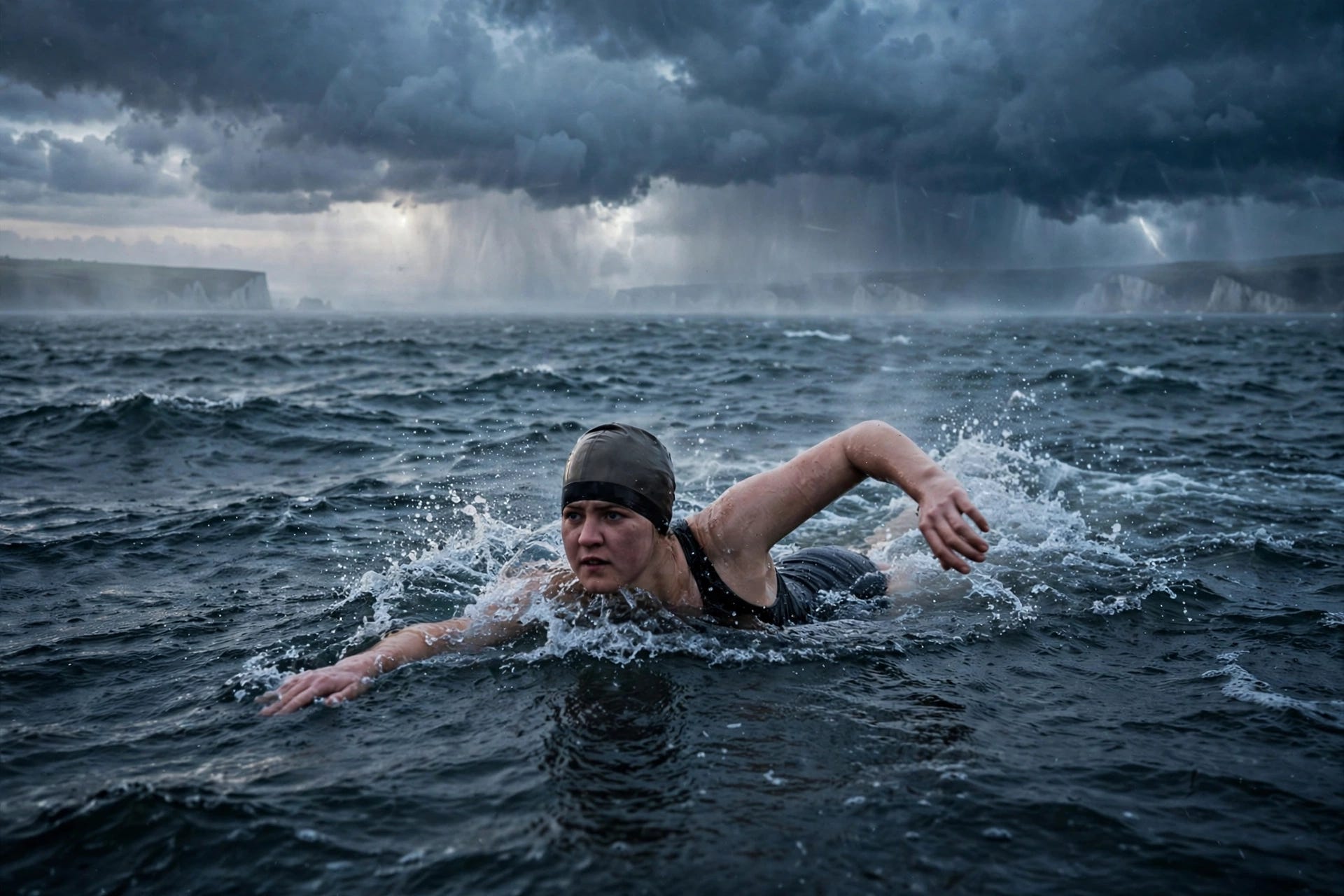
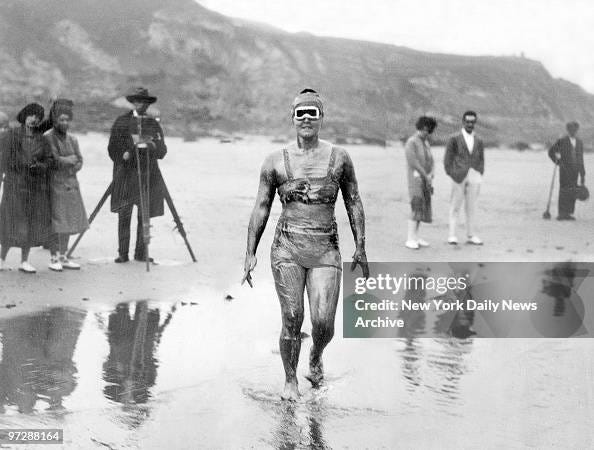
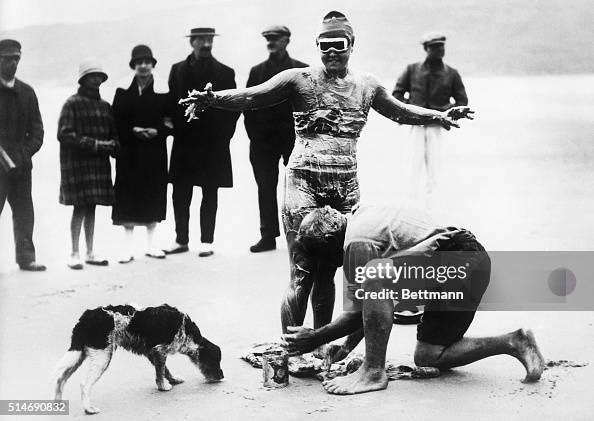
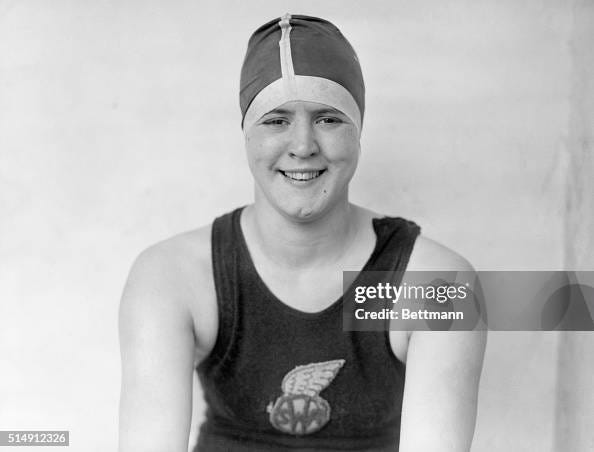
The water was black glass under a sky just beginning to gray. Gertrude Ederle stood on the rocky beach at Cap Gris-Nez, grease slathered thick across her arms and shoulders, and looked out at twenty-one miles of open water separating her from England. Nineteen years old, hearing was already fading from years of training, and behind her stood a crowd of reporters who had come to watch her fail.
They had good reason to expect it. Five men had swum the English Channel before her. No woman ever had. Ederle herself had tried the year before and been pulled from the water by her trainer, unconscious in the waves off the French coast — a decision that still burned in her, because she’d been swimming fine, just resting on her back between strokes, and he’d panicked. This time, she’d hired a new trainer and made one thing clear: no matter what happened, no matter how bad it looked, nobody touches her. Pull her out, and it’s over. Let her fight, and she has a chance.
At 7:09 in the morning, she waded into the Channel and began to swim.
The currents turned vicious almost immediately. What was supposed to be a straight line to Dover bent and twisted into something closer to double the distance — nearly thirty-five miles of actual swimming, fighting crosscurrents that shoved her sideways for hours at a time. Rain came. The sea rose into six-foot swells. On the escort boat, her father and sister called encouragement across the water, and at one point, when the weather turned savage, someone shouted to ask if she wanted to quit.
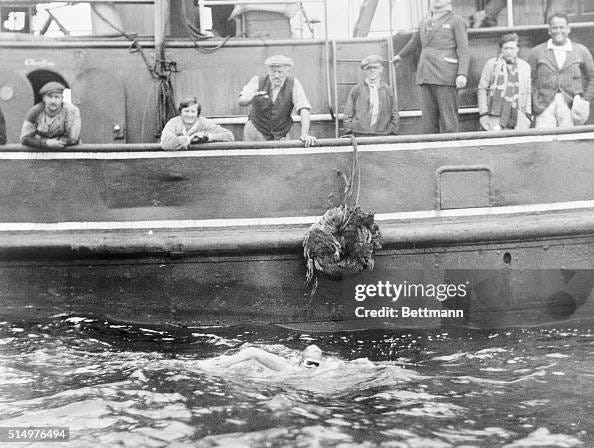
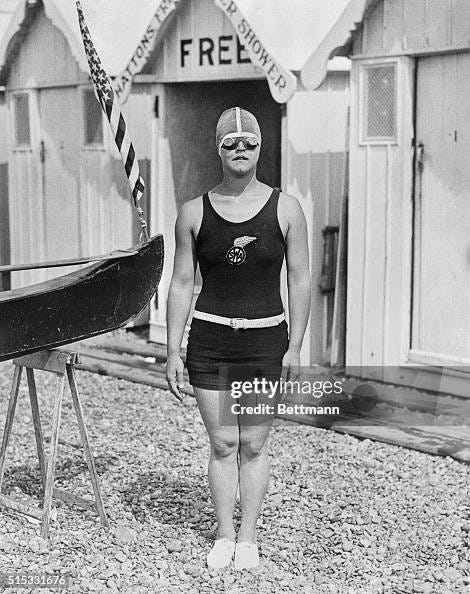
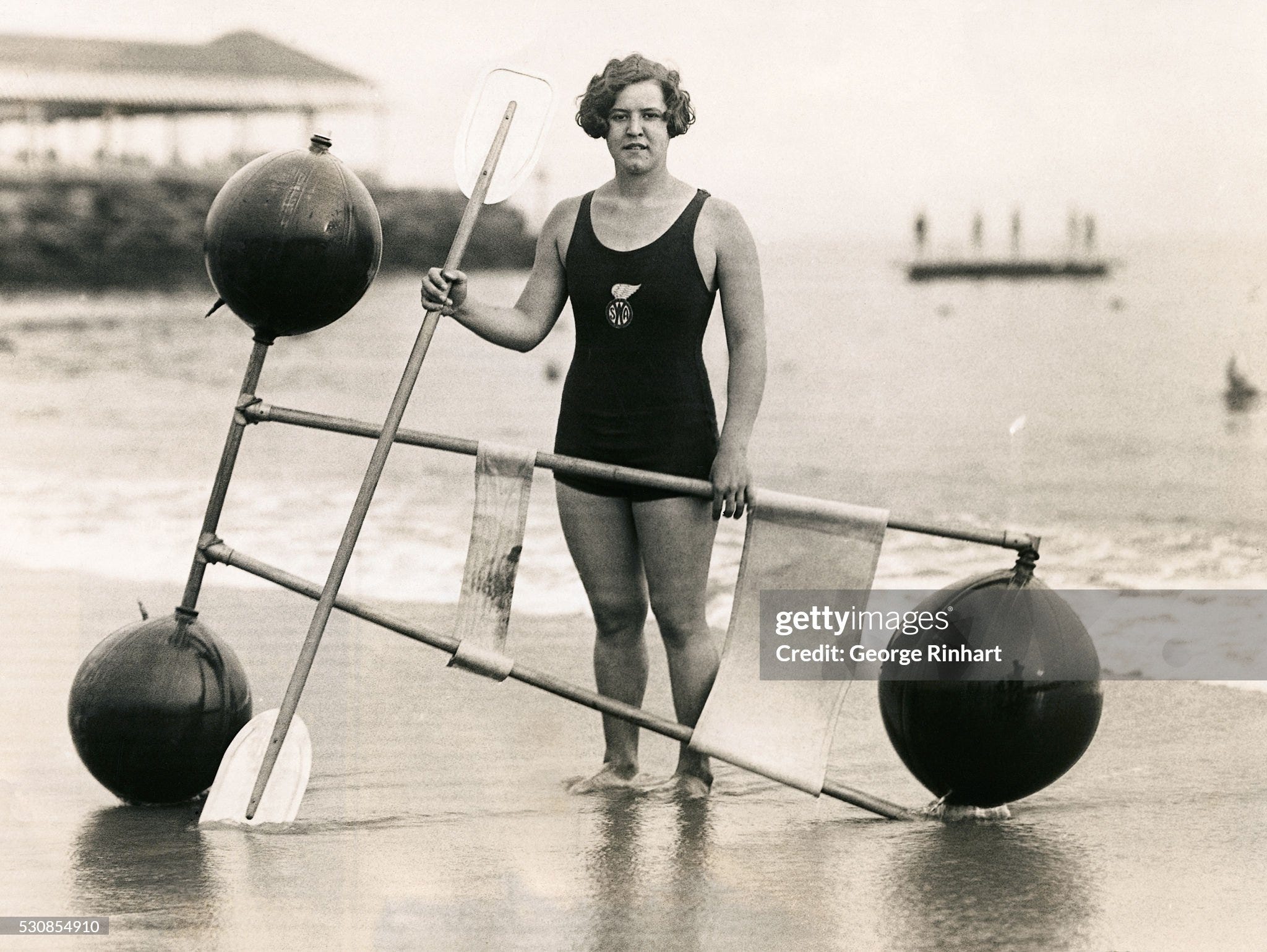

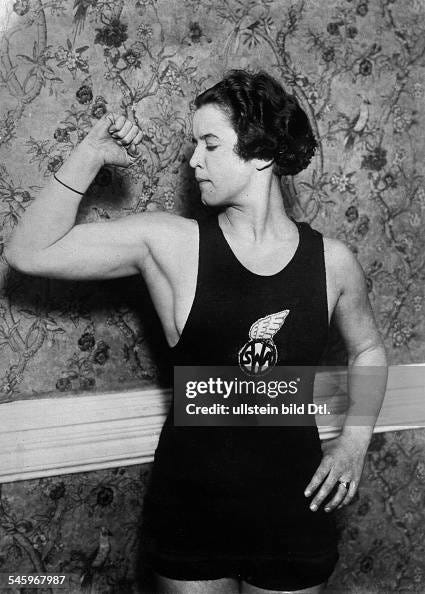
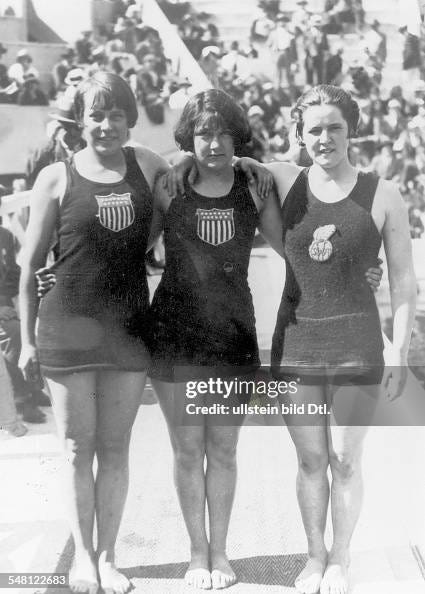
“What for?” she yelled back, and kept swimming.
She sang to keep her rhythm — “Let Me Call You Sweetheart,” over and over, stroke after stroke, while jellyfish stung her arms and the cold worked into her bones. Fourteen hours and thirty-one minutes after she’d stepped into the water at Cap Gris-Nez, Gertrude Ederle staggered onto the beach at Kingsdown, England, and became the first woman to swim the English Channel — beating the existing men’s record by nearly two hours.
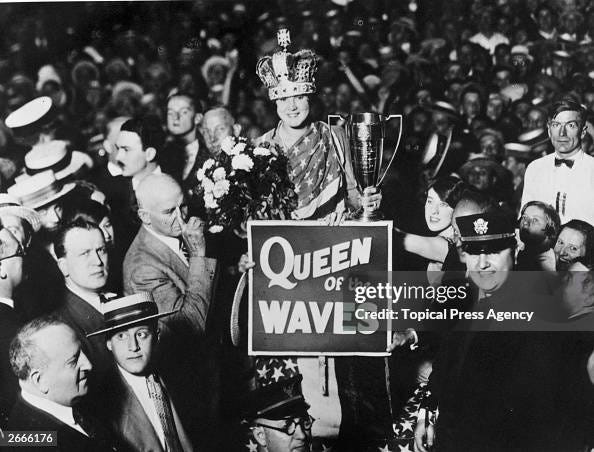
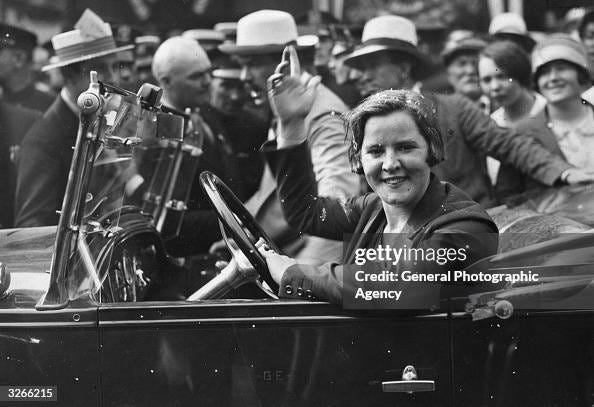
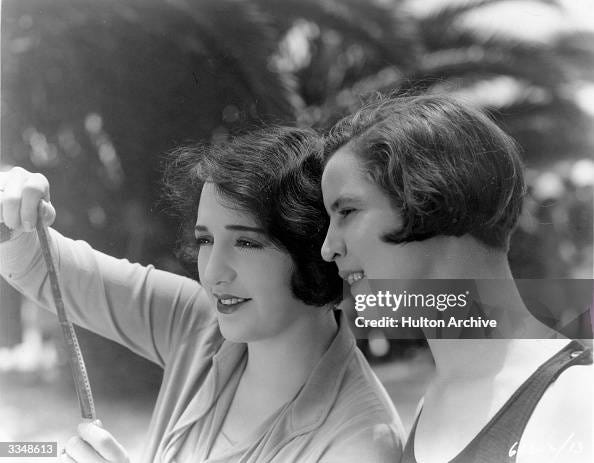
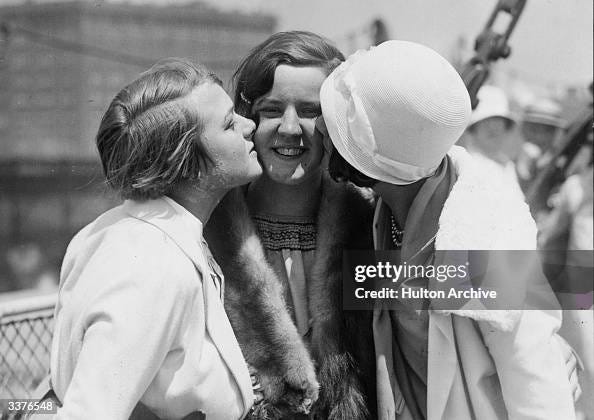
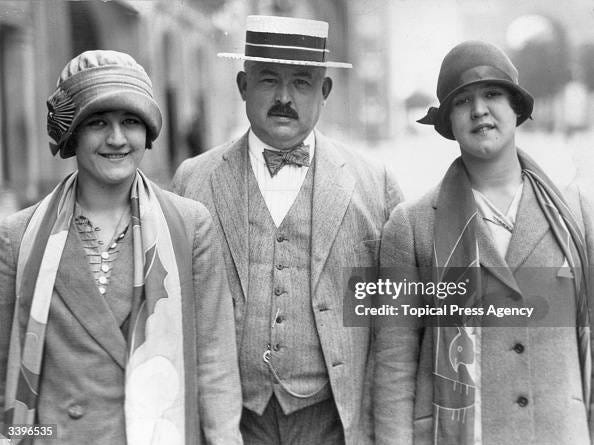
When she got home to New York, two million people turned out for her ticker-tape parade, more than had welcomed Woodrow Wilson home from the war. Newspapers that had mocked the very idea of a woman crossing the Channel now called her “Queen of the Waves.” Journalist Westbrook Pegler, who’d covered the swim, wrote that it proved women were the equal of men in ways society hadn’t yet reckoned with.
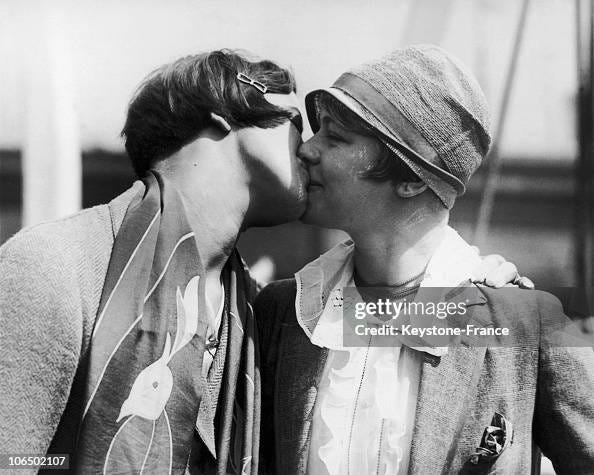
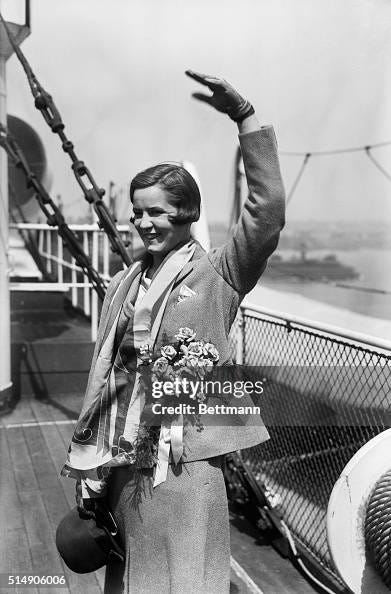
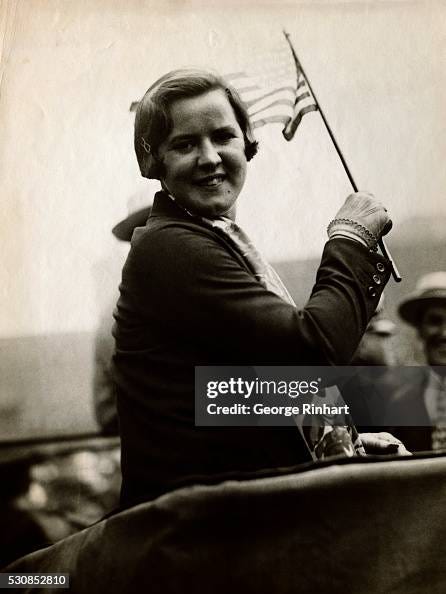
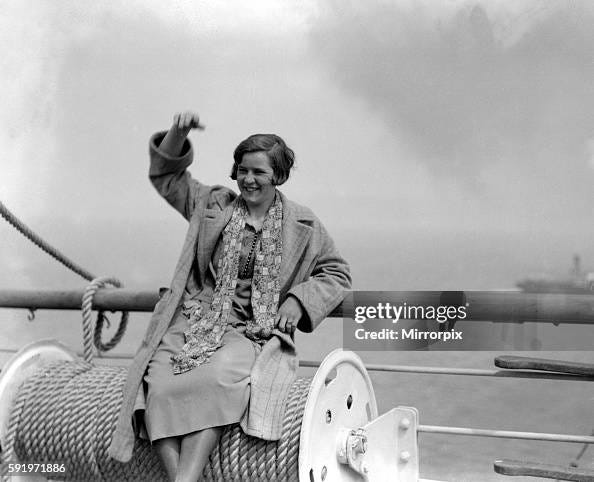
The hearing loss that had plagued her since childhood measles worsened permanently from the days in the water — she would be almost completely deaf by her thirties. She never let it slow her down. Decades later, Ederle spent much of her life teaching deaf children to swim, passing on the thing that had made her, for one gray August morning, the fastest person — man or woman — ever to cross the Channel.
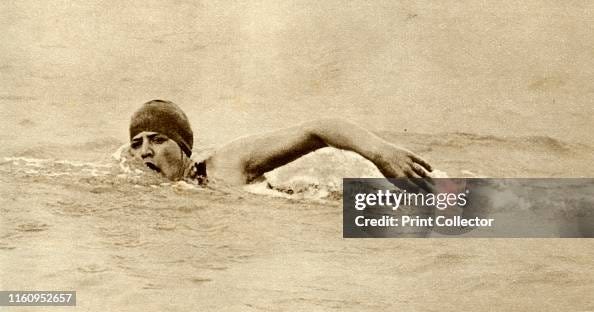
When Gertrude Ederle stumbled onto the sands of Kingsdown, she was no longer just a swimmer—she was a force of nature. She had battered the Channel into submission, shredding the men’s record by nearly two hours and proving that the sea bows to no gender, only to an indomitable will. She didn't just cross the water; she smashed through a wall for every woman behind her, forever redefining the limits of human endurance.
Think of this as buying me a coffee at a layover — except the coffee turns into more reporting on how the news actually shapes your next trip. Buy me a coffee www.paypal.me/adrianmcvey
What a wonderful story you just shared! With a little help from your friends, and a lot of work with a positive attitude, dreams can come true…. Thank you 🙏
Well Researched and Lovely 🌹 Compilation. Love 💖 from India Ganga 🕯️