

In 1896, something pretty extraordinary happened at Niagara Falls—something that quietly kicked off the modern electrical age

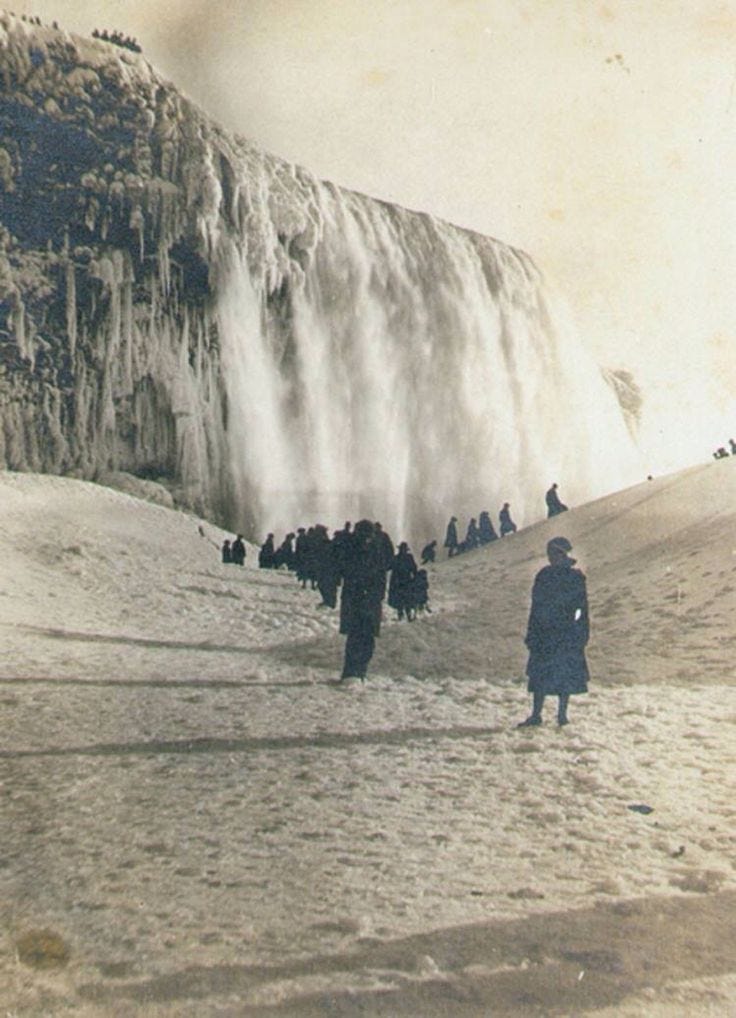
The power plant at Niagara Falls began operation on November 16, 1896, marking a monumental event in the history of electricity and industrial progress. This was the first large-scale hydroelectric power plant in the United States, developed through the pioneering work of George Westinghouse and Nikola Tesla. Their innovative use of alternating current (AC) technology, rather than the less efficient direct current, enabled electricity generated by the massive kinetic energy of the falling water to be transmitted over long distances. On that day, the power plant successfully sent electricity 26 miles away to the city of Buffalo, powering streetlights and electric streetcars, and signaling a new era in energy production and urban electrification.
The power plant utilized the immense energy of Niagara Falls, the highest flow rate waterfall in North America, harnessing water diverted through tunnels and pipes to drive turbines connected to AC dynamos. This project dramatically demonstrated the feasibility and advantages of AC power for widespread distribution. Beyond Buffalo, the plant soon helped power New York City’s railways and streetlights, showcasing the transformative potential of hydroelectric power as a renewable, clean energy source. The success of this power plant helped ignite the Second Industrial Revolution by facilitating industrial growth, urban development, and the expansion of electricity into everyday life. It also paved the way for the global adoption of alternating current systems, which remain the backbone of modern electrical grids.
Overall, the 1896 Niagara Falls power plant was a breakthrough that combined natural wonder with cutting-edge technology, making not only the Falls but also the future of electric power generation an enduring symbol of innovation and progress.
Nikola Tesla and George Westinghouse collaborated on the Niagara Falls hydroelectric project by combining their complementary strengths in invention and business. Tesla, having developed and patented the polyphase alternating current (AC) system and induction motor, brought the revolutionary electrical technology necessary to harness the power of Niagara Falls efficiently. Westinghouse, an accomplished entrepreneur and engineer, purchased Tesla’s patents and took on the role of financier and project leader, providing the resources and industrial know-how to build and scale the power plant.
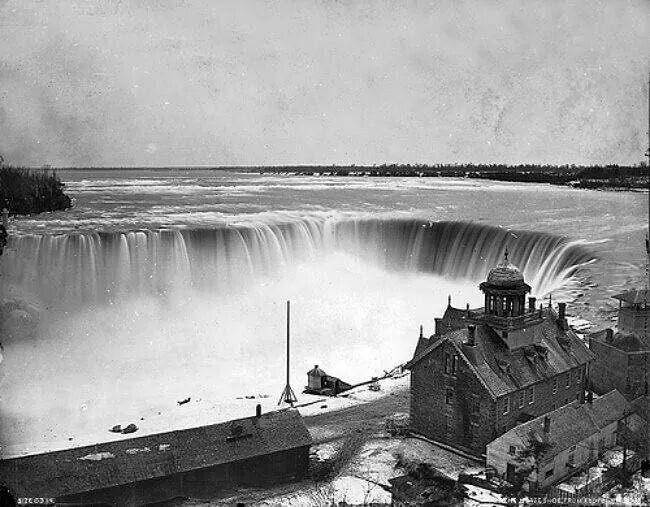
Their collaboration solidified after the success of lighting the 1893 Chicago World’s Fair with Tesla’s AC system, which proved its safety and efficacy against Thomas Edison’s direct current system rival. Westinghouse was awarded the contract for the Niagara Falls hydroelectric project, partly due to Tesla’s system and personal advocacy. Despite some engineering conflicts during implementation, Tesla’s innovations in multi-phase AC power generation formed the technological core of the project.
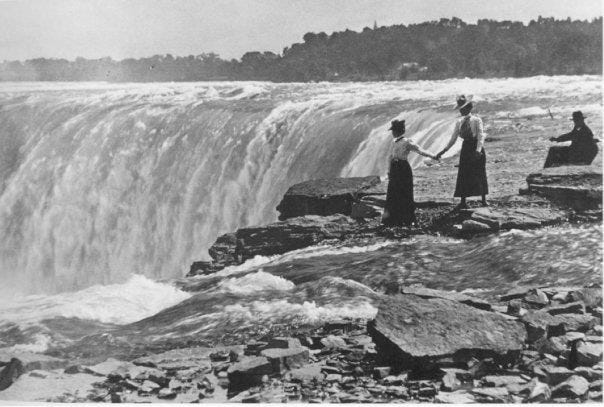
Together, backed by wealthy investors like J.P. Morgan and the Vanderbilts, Tesla and Westinghouse oversaw the construction of enormous AC generators at Niagara Falls, which began operation in 1896. This milestone demonstrated the practical and commercial viability of AC power on a large scale, transmitting electricity 26 miles to Buffalo and beyond. Their partnership was instrumental in establishing alternating current as the global standard for electrical power transmission and distribution, fundamentally changing energy and industry worldwide.