

CITIES WITHOUT BORDERS
The World's Greatest Urban Agglomerations A Comprehensive Analysis of Humanity's Largest Urban Regions

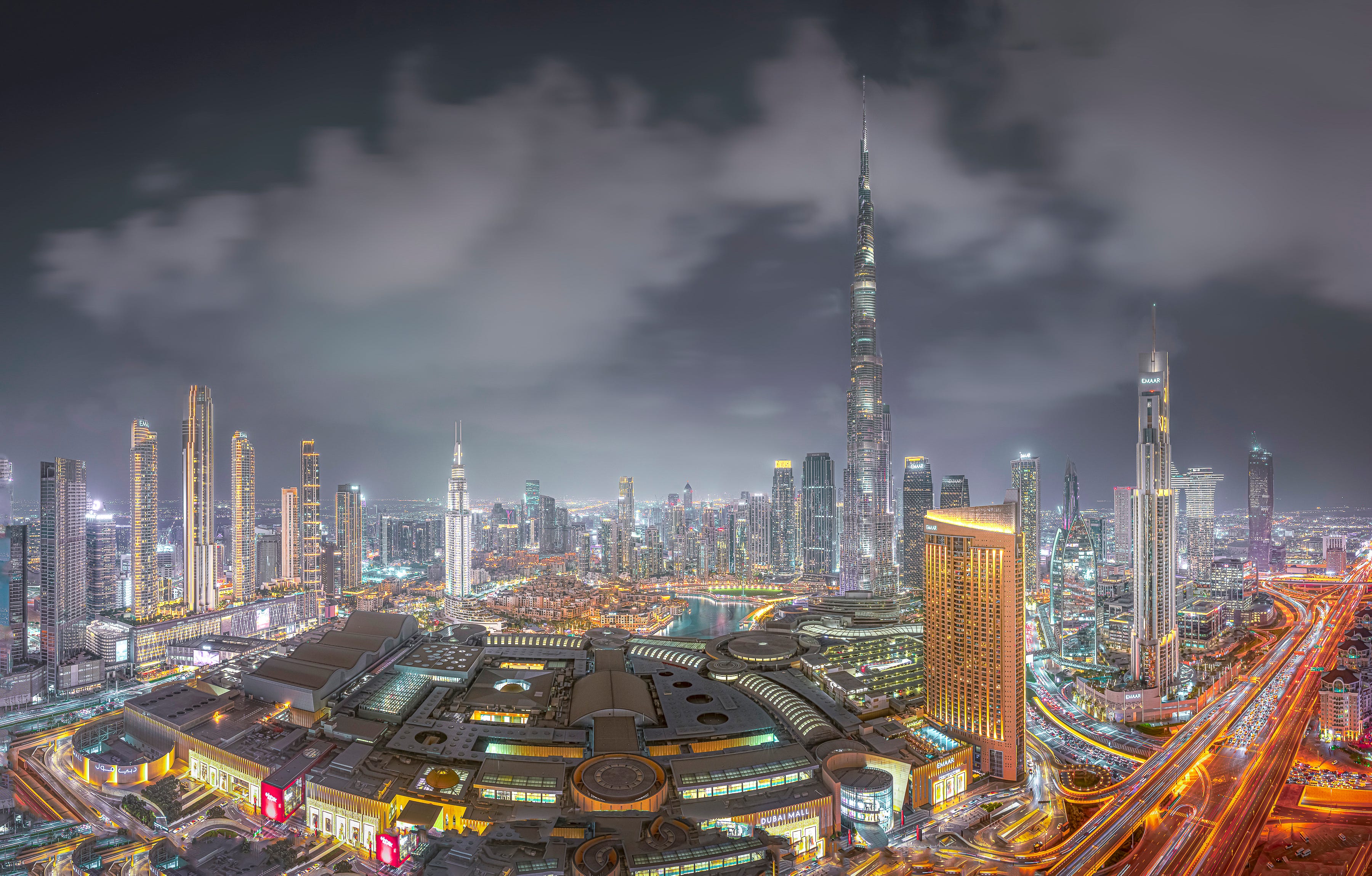
The Age of the Megacity
We live in the most urbanized era in human history. For the first time, more than half of the world’s population resides in cities — and the trend shows no sign of reversing. But today’s great cities are not cities at all in any traditional sense. They are agglomerations: vast, sprawling super-regions where individual cities, suburbs, satellite towns, and industrial zones have merged into continuous ribbons of human settlement stretching for dozens, sometimes hundreds, of kilometers.
The data presented here captures this extraordinary phenomenon. From the Pearl River Delta’s staggering 73.6 million people to Taipei’s 10.2 million-strong conglomerate, the world’s top 49 agglomerations together house well over one billion people — and collectively they drive the majority of global economic output, cultural production, and technological innovation.
Understanding agglomerations is not merely an academic exercise. These urban mega-regions are where the defining challenges of the 21st century — climate change, inequality, housing, infrastructure, governance — will be fought and, hopefully, resolved. To understand them is to understand the future of our species.
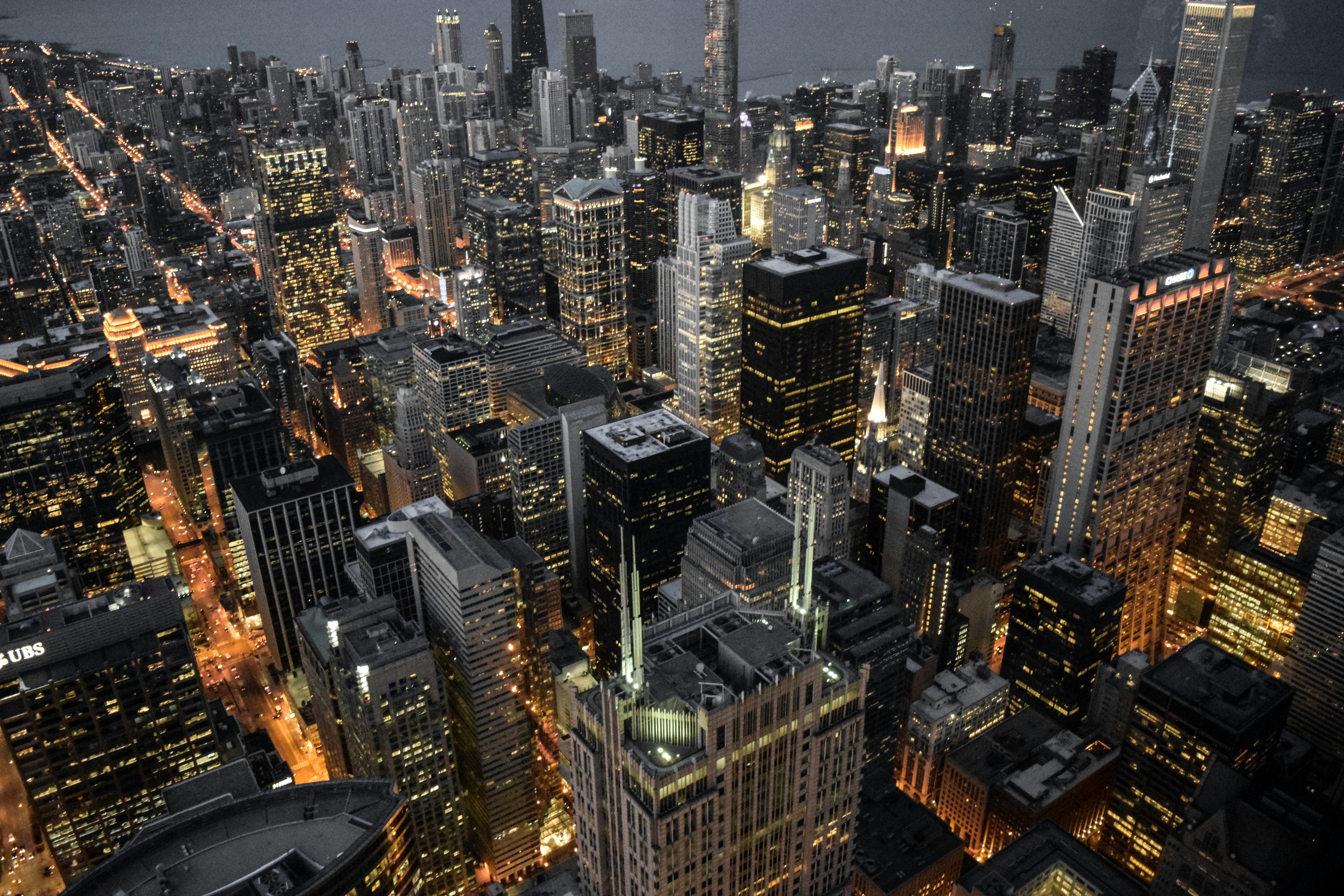
What Is an Agglomeration?
The word ‘city’ is deceptively simple. In everyday speech, it conjures a place with a skyline, a mayor, and clear boundaries on a map. But for demographers, geographers, and urban planners, a city is only the legal, administrative shell of something far larger and more complex. The agglomeration is the real thing: the continuous, functionally unified urban area that exists regardless of where political boundaries are drawn.
In this dataset, agglomerations are classified in several ways. An ‘Aggl’ (agglomeration) denotes a contiguous built-up area. A ‘CUA’ (conurbation urban area) refers to a chain of towns grown together. A ‘Congl’ (conglomerate) describes a tightly interconnected cluster of cities. ‘Adm-Urb’ designations apply to Chinese urban regions governed as single administrative units. Each classification tells a different story about how these massive settlements came to be.
What unites them all is function. In an agglomeration, workers commute across what were once city limits. Supply chains stretch between jurisdictions. Culture, language, and cuisine flow without regard for municipal signs. The economy of an agglomeration is one organism, even when its governance is fragmented across dozens of competing authorities.
Asia: The Continent That Remade the City
No analysis of global agglomerations can begin anywhere other than Asia. Of the world’s top 20 agglomerations by population, 17 are located in Asia. This is not an accident of geography but the direct consequence of the most dramatic economic transformation in human history: Asia’s industrial revolution, compressed into four decades rather than four centuries.
China: The Megacity Factory
No country has urbanized faster, at a greater scale, than China. In 1980, roughly 20% of China’s population lived in cities. Today, that figure exceeds 65% — a migration of approximately 700 million people in a single generation. The results appear throughout this dataset in spectacular form.
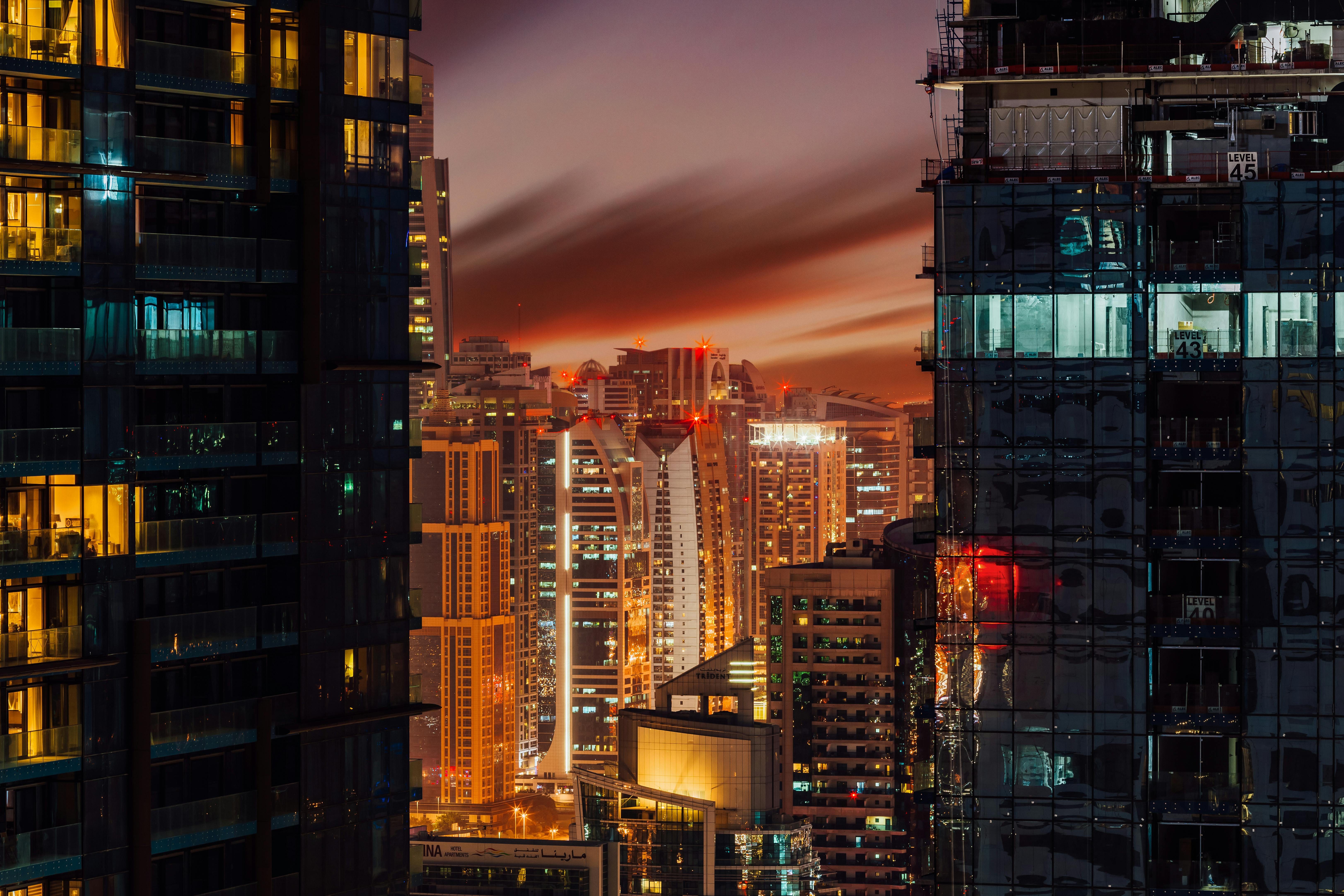
The Guangzhou agglomeration — encompassing Shenzhen, Dongguan, Foshan, Huizhou, Jiangmen, and Zhongshan — is the largest urban agglomeration on Earth, home to an almost incomprehensible 73.6 million people. The Pearl River Delta, as this region is known, was largely rural farmland as recently as 1980. Today, it is the world’s workshop: a dense nexus of manufacturing, logistics, technology, and finance that produces everything from smartphones to fast fashion for global consumers.
Shanghai, ranked second globally at 42.3 million people, tells a different story: one of financial sophistication and cosmopolitan ambition. Stretching to incorporate the ancient cities of Suzhou, Wuxi, Changzhou, and Changshu, the Shanghai agglomeration commands the Yangtze River Delta, China’s most productive economic region. The ‘Bund’ skyline, with its colonial-era façades facing a forest of modern towers across the Huangpu River, has become the defining image of China’s global rise.
Beijing, at 21.8 million, carries a different weight: it is the seat of political power, home to Zhongnanhai and the Forbidden City, the Politburo, and the People’s Daily. Though smaller than its southern rivals, it punches above its weight in influence. Chengdu, Xian, Wuhan, Tianjin, Hangzhou, Changsha, Zhengzhou, and Xiamen round out China’s extraordinary presence on this list — ten agglomerations in the world’s top 50, covering nearly every major region of the country.
Tokyo: The Art of the Liveable Megacity
Tokyo is, by almost any measure, the greatest urban achievement in human history. At 41.3 million people, incorporating Yokohama, Saitama, Chiba, Kawasaki, Sagamihara, and half a dozen other cities, it is the world’s third-largest agglomeration — and yet it works. Crime rates are near zero. Trains run every two seconds. Streets are clean. Housing is relatively affordable compared to other global megacities. Public services function with astonishing reliability.
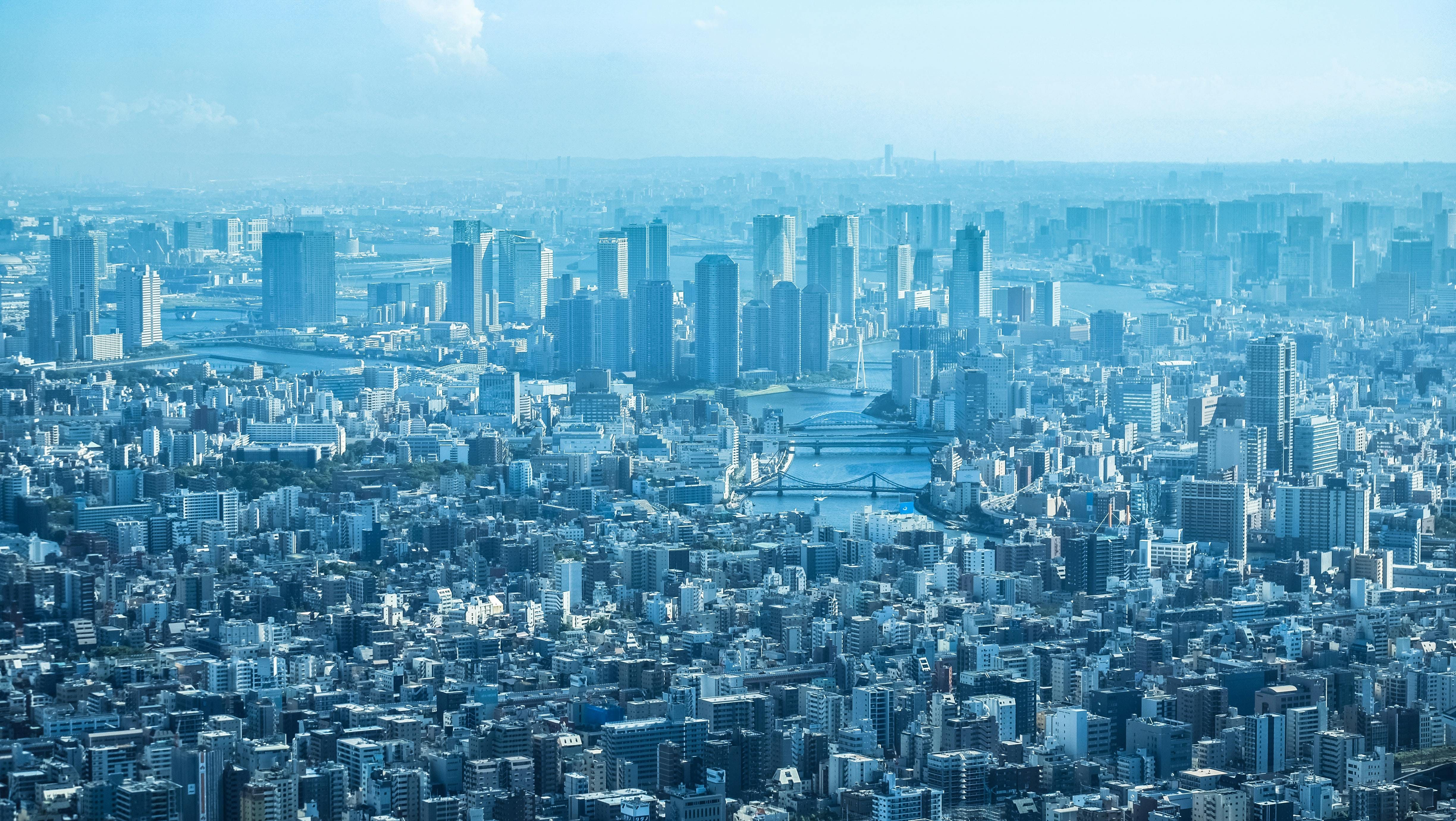
The secret, if there is one, lies in the extraordinary density of Tokyo’s urban planning, its embrace of mixed-use zoning, its world-class rail network, and a civic culture that prizes collective wellbeing over individual convenience. Tokyo is proof that size need not mean dysfunction — and it stands as a model that urban planners worldwide study with near-religious intensity.
Osaka, Japan’s second great agglomeration at 17.7 million, adds Kobe, Kyoto, Himeji, and Sakai to create a western Japan mega-region of extraordinary cultural and economic significance. If Tokyo is Japan’s head, Osaka is its stomach: louder, earthier, more mercantile, and home to some of the finest food on earth.
South Asia: The Demographic Pressure Cooker
India’s urban agglomerations are growing faster than almost anywhere on the planet, driven by a population that is both young and rapidly urbanizing. Delhi, at 36.9 million people — incorporating Faridabad, Ghaziabad, and Gurgaon — is the world’s fourth-largest agglomeration and climbing fast. The National Capital Region (NCR), as this area is officially known, is one of the most complex urban governance challenges on Earth, spread across three states and a union territory, serviced by a patchwork of competing authorities.
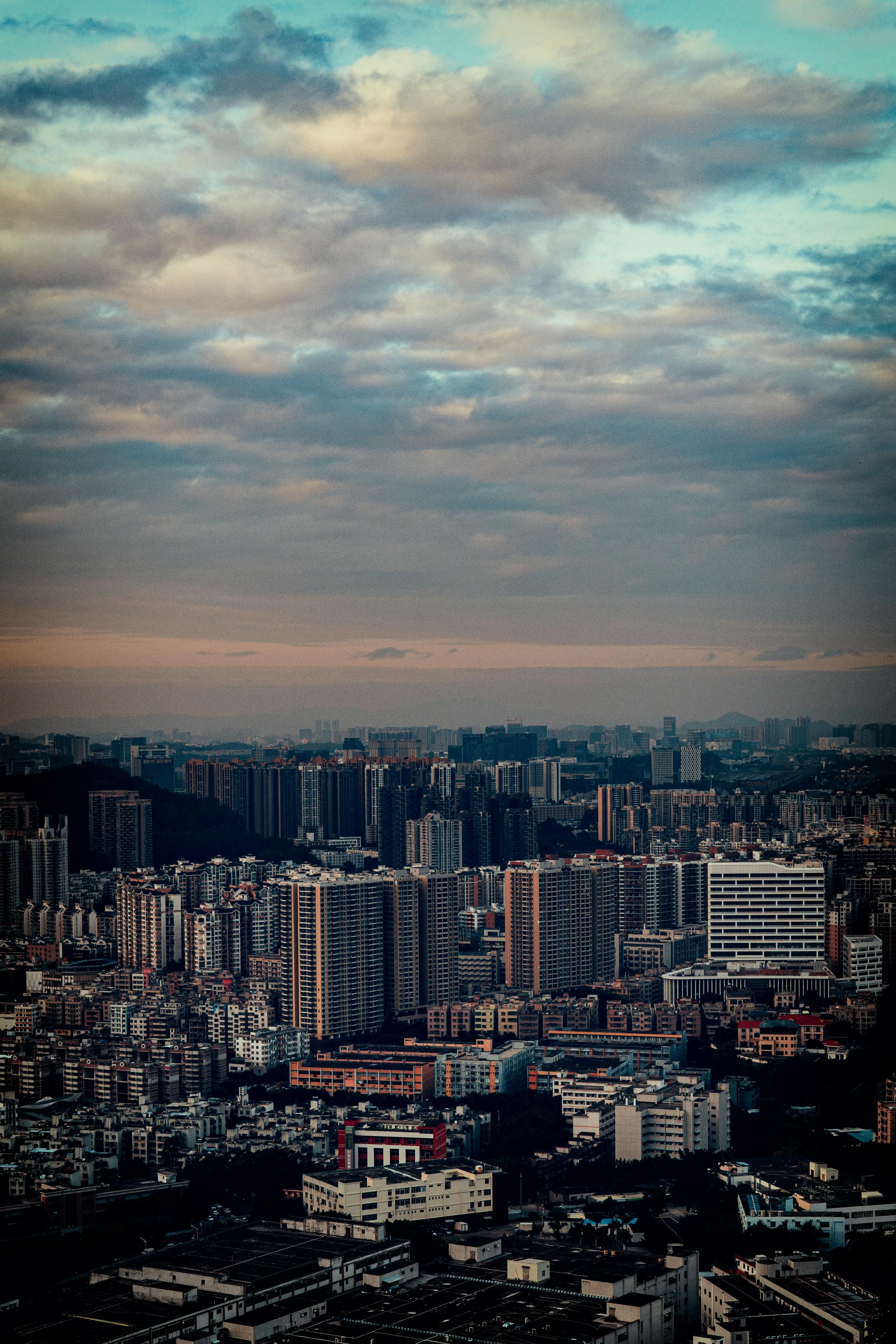
Mumbai, at 28.1 million, is India’s economic capital, home to Bollywood, the Bombay Stock Exchange, and the headquarters of most major Indian corporations. Its geography — a narrow peninsula that cannot easily expand — has made it one of the densest urban environments on earth. Dharavi, often called the world’s largest slum, sits in the heart of the city, a testament to the extraordinary resilience and ingenuity of those whom formal urban planning has failed.
Kolkata (18.1 million), Bengaluru (15.3 million), Chennai (13.3 million), and Hyderabad (12.1 million) round out India’s presence on the global agglomeration list, creating a constellation of mega-cities spread across the subcontinent. Together, India’s agglomerations on this list house over 140 million people — and India’s urban population is still less than 40% of its total, meaning the urbanization surge has decades yet to run.
Pakistan’s cities tell a parallel story of explosive growth under strain. Karachi, at 21.8 million, is one of the most rapidly growing cities in the world — and one of the least prepared for that growth. Infrastructure, governance, water supply, and public services lag far behind the pace of in-migration. Lahore, at 15 million, Pakistan’s cultural capital, faces similar pressures. Together, these cities represent one of the great urban governance challenges of the coming decades.
Dhaka, Bangladesh, at 23.7 million, is perhaps the most extraordinary urban story of all. A city of 400,000 at independence in 1971, it has grown sixtyfold in a single lifetime, driven by rural-to-urban migration and the extraordinary expansion of the ready-made garment industry. It is one of the densest urban areas on earth, where millions live in conditions that would be unrecognizable to residents of Tokyo or London.
Africa: The Sleeping Giant Awakens
Africa’s urban story is only beginning. The continent is urbanizing faster than any other region on earth, yet its megacities remain dramatically underrepresented in global economic rankings relative to their population sizes. Lagos at 21.9 million, Cairo at 23.2 million, Kinshasa at 16.9 million, Johannesburg at 15.1 million, and Luanda at 10.4 million together represent an urban Africa of extraordinary dynamism — and extraordinary inequality.
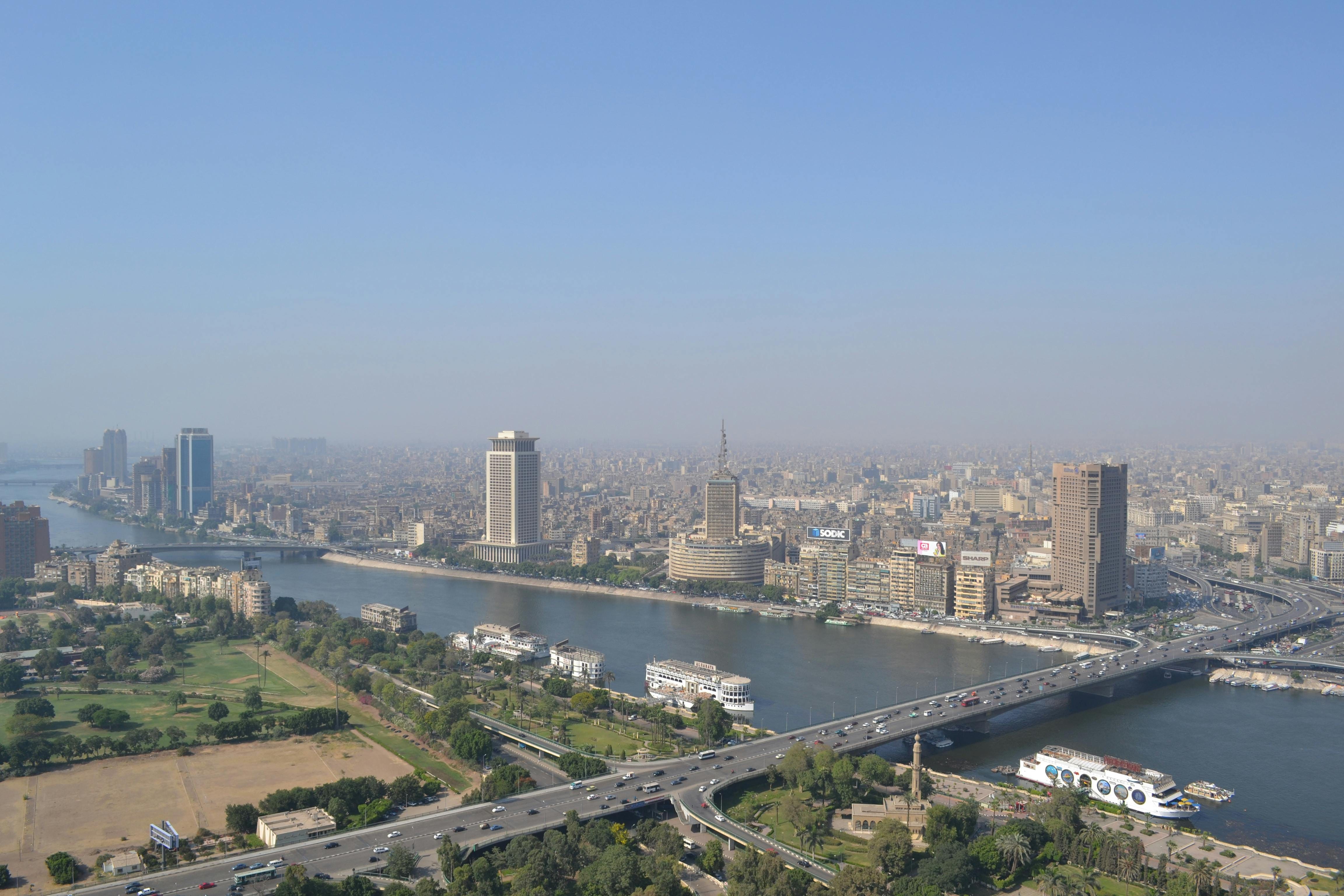
Lagos is particularly remarkable. Growing from roughly 300,000 people at Nigerian independence in 1960 to nearly 22 million today, it has expanded largely without formal planning, powered instead by the improvisational genius of its people. The result is a city of bewildering contrasts: gleaming towers in Victoria Island, sprawling informal settlements in Mushin and Ajegunle, the cacophonous energy of Balogun Market, and the serene beaches of Tarkwa Bay — all coexisting within a single hyper-dense agglomeration.
Kinshasa, capital of the Democratic Republic of Congo, carries the additional poignancy of governing a country that is simultaneously one of the world’s most resource-rich and one of its poorest. At 16.9 million, with a population figure of admittedly low reliability due to the difficulty of conducting censuses in such conditions, it is the largest Francophone city on Earth and one of Africa’s fastest-growing.
The projections for African cities over the coming half-century are staggering. By 2100, demographers expect Lagos to be one of the two or three largest cities on earth. Cairo will continue to strain the resources of the Nile valley. Kinshasa may rival Lagos for dominance of sub-Saharan Africa. The governance, infrastructure, and financing challenges this growth presents are among the most pressing of the 21st century.
The Americas and Europe: Maturity and Moderation
The agglomerations of North and South America, and of Europe, are generally older and slower-growing than their Asian and African counterparts — but no less significant. They represent the urban forms of high-income, highly complex societies, wrestling with different challenges: deindustrialization, housing costs, suburban sprawl, aging populations, and the politics of immigration.
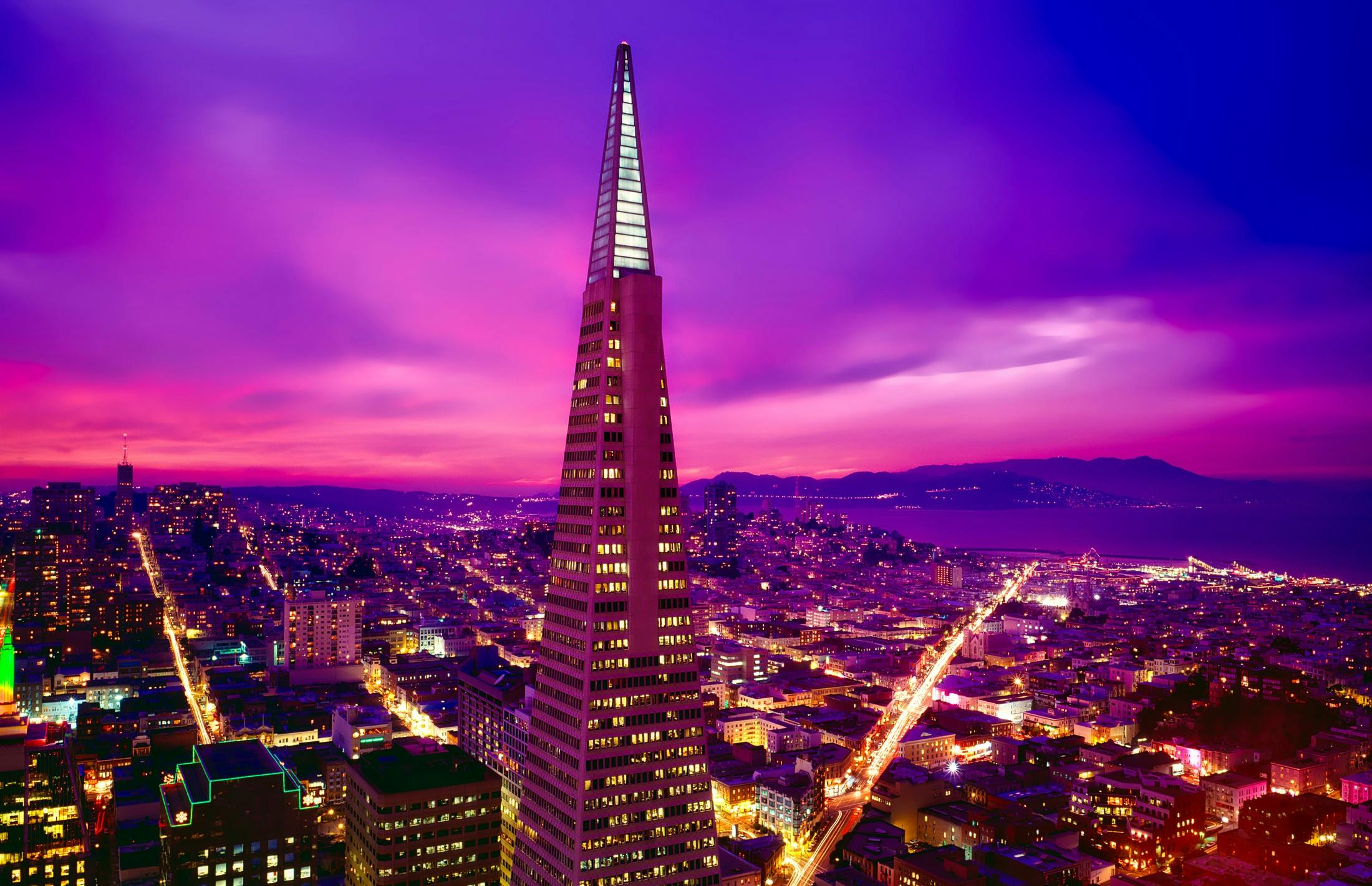
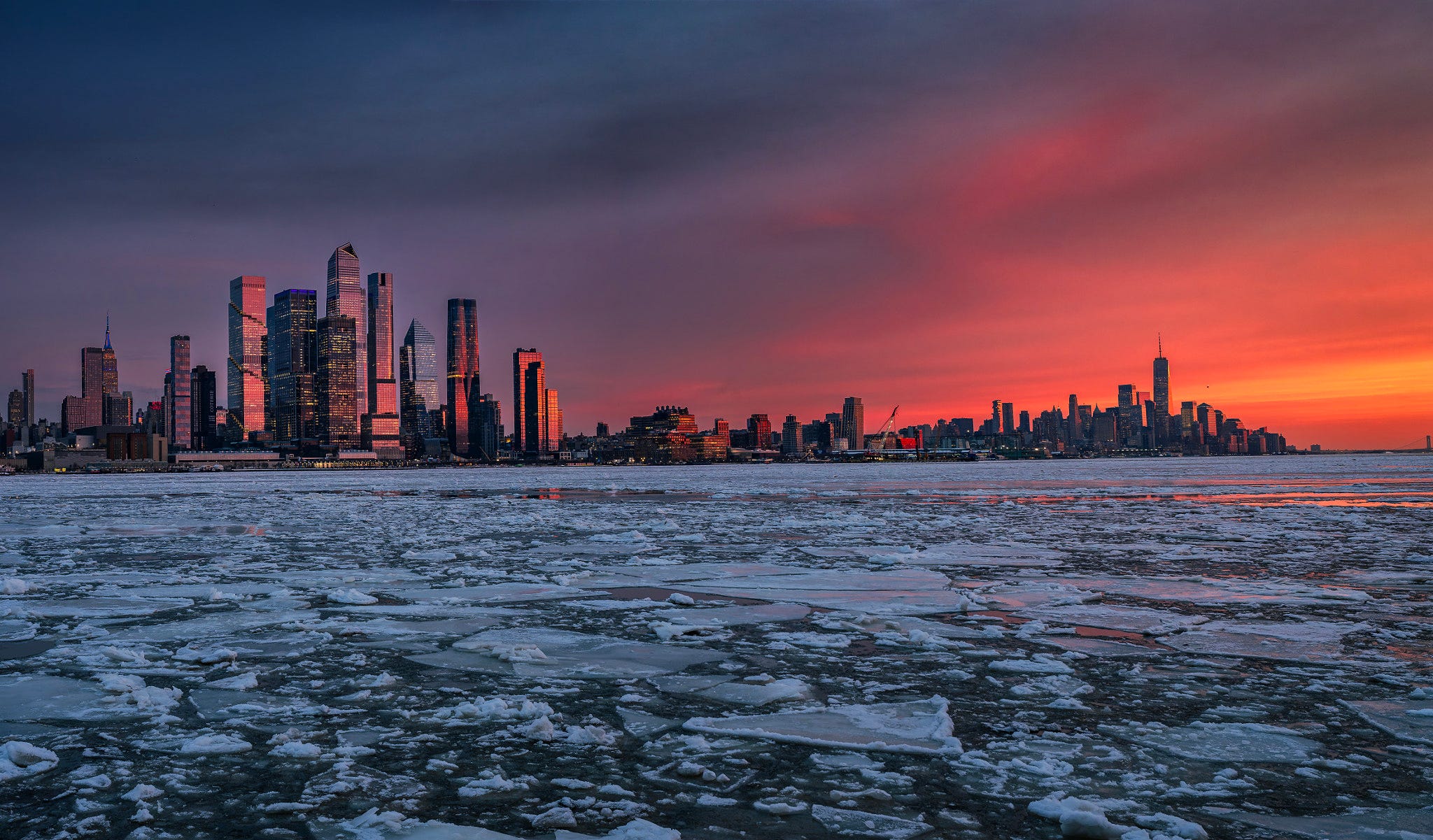
New York, at 22.6 million, remains the quintessential Western megacity — a global hub of finance, culture, media, and immigration that has defined the modern urban form. Incorporating Newark, Bridgeport, and New Haven, the New York CUA spreads across three states and commands the imagination of the world to a degree matched only by Tokyo and London. Los Angeles at 17.4 million adds Anaheim and Riverside to create a sprawling Southern California mega-region defined by car culture, entertainment, and increasingly, technology.
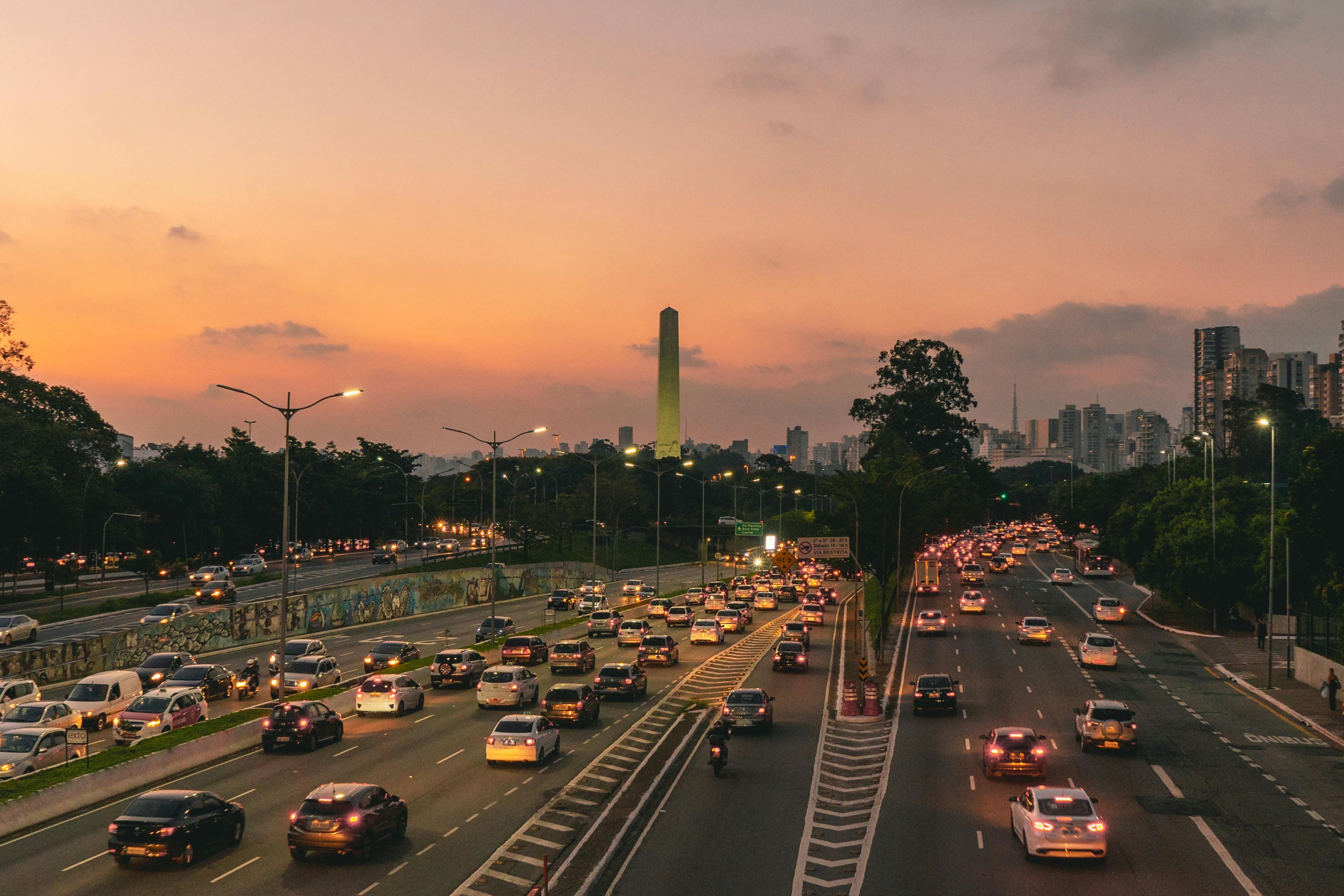
São Paulo, at 22.7 million, is the southern hemisphere’s greatest city: the financial capital of the eighth-largest economy on earth, a city of extraordinary cultural energy, extraordinary inequality, and extraordinary entrepreneurial drive. Buenos Aires, at 17 million, anchors the southern cone of South America. Mexico City, at 25.6 million — the Spanish-speaking world’s largest agglomeration — commands the economic and political life of a nation of 130 million.
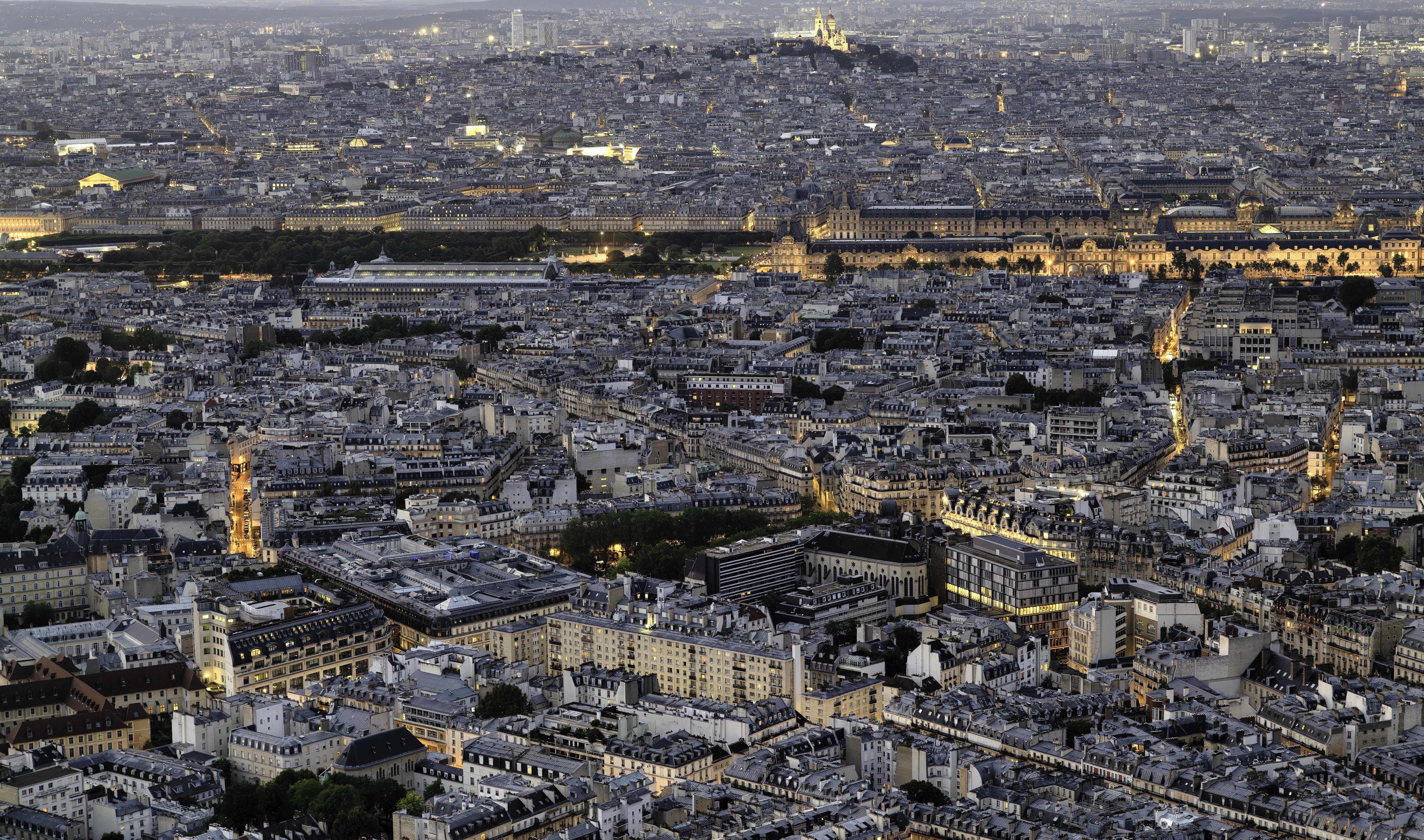
In Europe, London at 15.4 million and Paris at 11.6 million remain the twin poles of European urban life, while Germany’s Rhine-Ruhr region at 10.8 million represents a uniquely polycentric European agglomeration, where Cologne, Düsseldorf, Dortmund, Essen, Duisburg, Bonn, Wuppertal, and Mönchengladbach form a networked urban region without a single dominant center. Istanbul, at 16.2 million, straddles the boundary between Europe and Asia — literally and figuratively — as one of the world’s great cities and one of the fastest-growing in the European context.
Moscow, at 19.1 million, is Europe’s largest city proper, the commanding nerve center of the world’s largest country by territory, a city of Cold War monumentalism and post-Soviet reinvention.
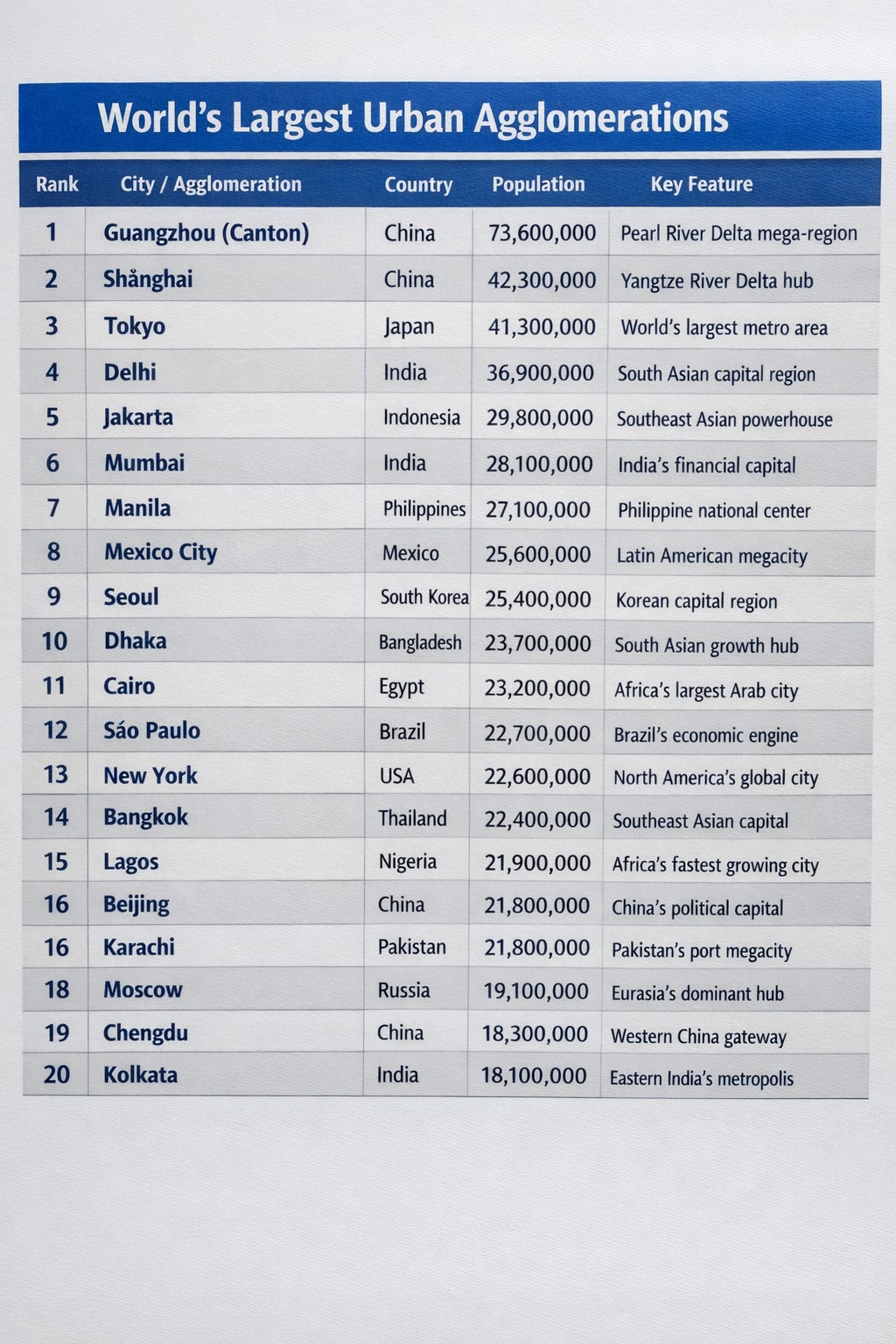
The Full Rankings: Top 20 at a Glance
The table below summarizes the twenty largest agglomerations and their defining characteristics:
Themes and Takeaways
The Irreversibility of Urbanization
Every historical attempt to reverse urbanization — from Soviet collectivization to Cambodia’s forced evacuation of Phnom Penh — has failed catastrophically. Urbanization is powered by fundamental economic logic: cities are engines of productivity, innovation, and opportunity. They allow workers to specialize, firms to cluster, and ideas to cross-pollinate. The gravitational pull of the city is, in economic terms, nearly irresistible.
The Governance Gap
Perhaps the defining challenge of the agglomeration era is governance. These vast urban regions exist as economic and social unities but are governed as fragmented collections of municipalities, counties, states, and national agencies. The mismatch between functional geography and political geography creates coordination problems of enormous complexity. Water, transport, housing, land use, and environmental regulation — all require metropolitan-level thinking, yet few agglomerations have the institutional structures to deliver it.
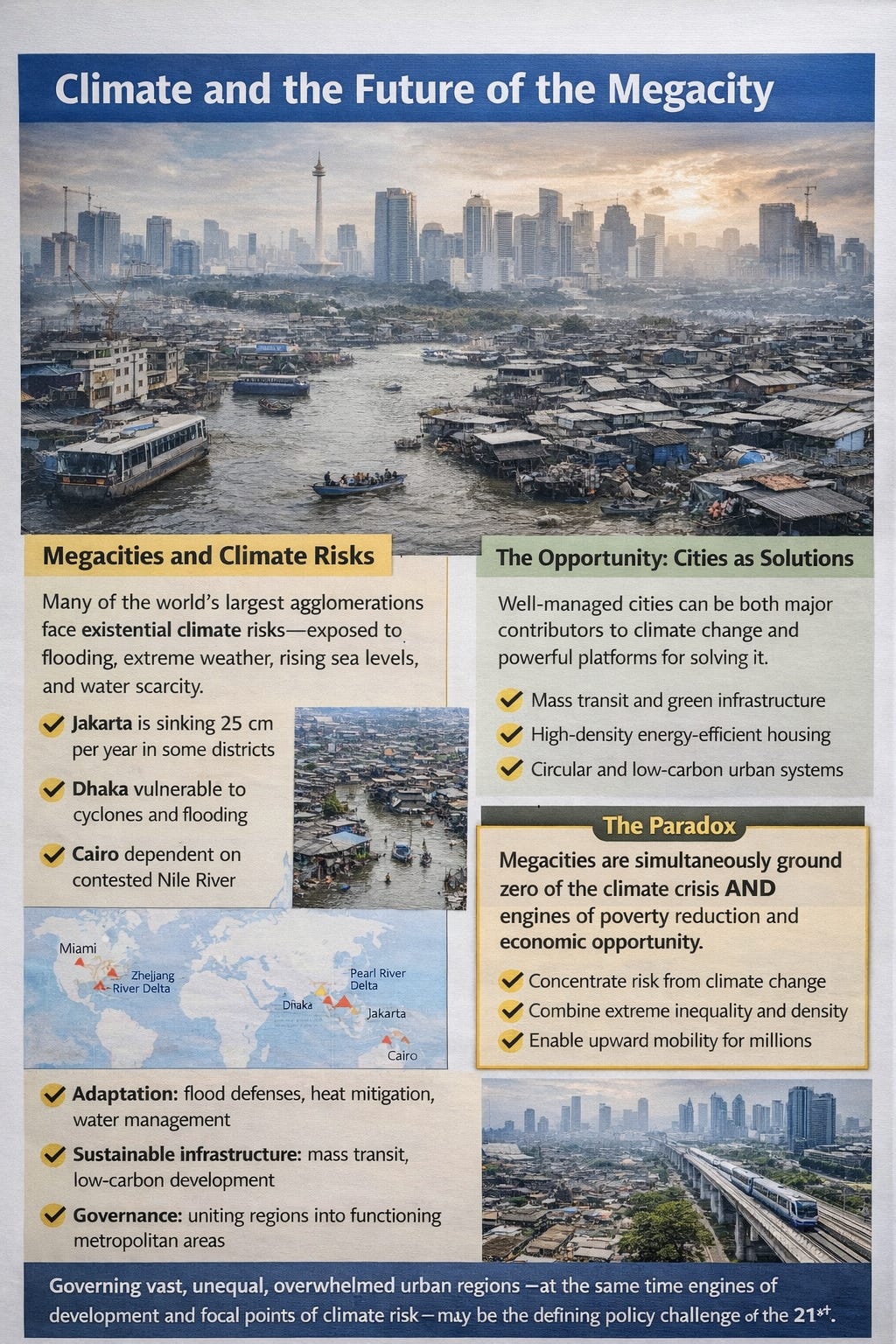
Climate and the Future of the Megacity
Many of the world’s largest agglomerations face existential climate risks. Jakarta is sinking at a rate of 25 centimeters per year in some districts, driven by groundwater extraction, and parts of the city are expected to be permanently inundated by 2050 — a key reason Indonesia is relocating its capital to Borneo. Miami, not on this list but a significant agglomeration, faces similar sea-level threats. Dhaka is acutely vulnerable to cyclones and monsoon flooding. Cairo depends entirely on the Nile, whose flows are increasingly contested upstream.
The world’s megacities are not merely mirrors of the climate crisis — they are both major contributors to it and among its most vulnerable victims. The intersection of urban concentration and climate risk is perhaps the defining policy challenge of the coming century.
The Opportunity: Cities as Solutions
It would be a mistake to read this data only as a catalogue of problems. Cities are the most powerful poverty-reduction technology ever invented. The correlation between urbanization and development is one of the most robust in all of economics. When people move to cities — when they access labor markets, healthcare, education, and social networks — their life outcomes improve dramatically.
The megacities of Asia have lifted hundreds of millions of people out of poverty within a single generation. The megacities of Africa, for all their challenges, are doing the same. Even the impoverished informal settlements that ring cities like Lagos, Dhaka, and Kinshasa are, for their residents, almost always better than the rural poverty they left behind.
This is the paradox at the heart of the agglomeration story: these vast, chaotic, unequal, overwhelmed urban regions are simultaneously the most challenging environments humanity has ever created — and the most hopeful.
The 49 agglomerations documented here are more than data points. They are the places where humanity is working out what kind of civilization it wants to be. They are laboratories of governance, incubators of culture, engines of economy, and arenas of inequality. They are where most of the world’s art, science, commerce, and politics are produced. They are, in the most literal sense, where the human story is being written.
Understanding them — their populations, their structures, their challenges, and their extraordinary variety — is a prerequisite for understanding the world. From the Pearl River Delta’s 73.6 million to Taipei’s 10.2 million, from the ancient streets of Cairo to the brand-new skylines of Shenzhen, from the ordered precision of Tokyo to the improvised vitality of Lagos: these are the cities of our time. They are where we live. And they are, for better and worse, our future.
If you’ve enjoyed the content here and want to help keep the creative gears turning, feel free to toss a tip in the jar! Every bit of support helps me dedicate more time to researching and writing these posts.
You can send a one-time gift through my www.paypal.me/adrianmcvey
Huge thanks for being part of this journey, and thank you for your incredible kindness!
Thank you for your posts. They satisfy my appetite for intellectual stimulation and understanding of the world we live in.
Very interesting subjects!
Well this climate bull crap is a lie from hell to tax an force more Hell on people lot man made evil talk about chemtrails dumping aluminum talk about fluoride byproduct of aluminum, which is highly dangerous let’s talk about mercury that they put in your teeth. That is highly dangerous. Let’s talk about the pollution of the evil murder of the people seems that’s there end go China from what I’ve read is prosper economically industrialized but not the beef in the USA they can’t stop stealing long enough to build anything anymore. They started out in the 70s ruining this country taking all the jobs away what ever here the USA everything’s went to hell for sure . You won’t even have farms in 30 years or less left the fake meat evil of corporations fake food an Soylent Green if you remember that . Well better pray cause they have made there counterfeit of there father the devil .